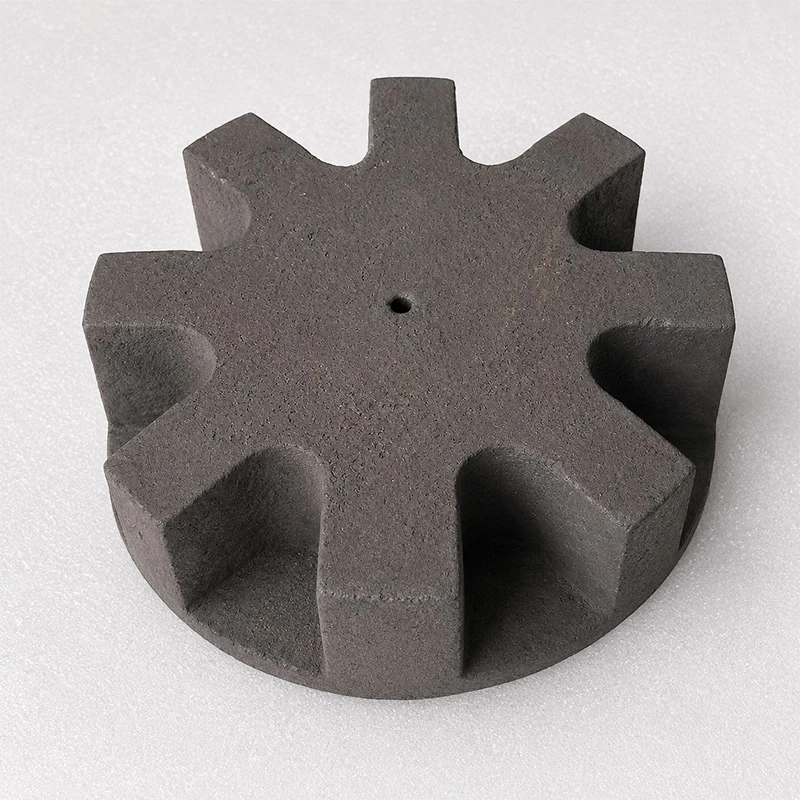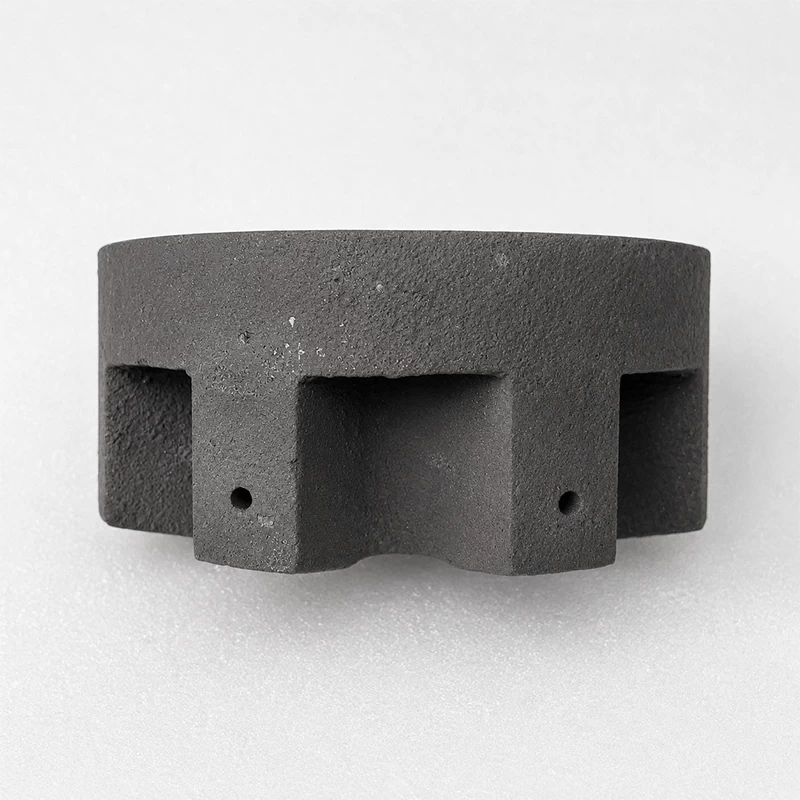
Certainly! Below is a detailed, professional blog article expanding on the topic of "Graphite Rotor ¢200110," incorporating the requested keywords as thematic inspiration to structure and enrich the content.
---
# Understanding the Graphite Rotor ¢200110: Innovations, Applications, and Design Insights
In the realm of industrial components, rotors represent critical elements that dictate the efficiency, reliability, and longevity of machinery. Among the various types available, the Graphite Rotor ¢200110 has emerged as a noteworthy innovation, combining advanced materials science with precision engineering to meet modern industrial demands. This article provides an in-depth exploration of the Graphite Rotor ¢200110, its unique characteristics, applications, and the design considerations that make it stand out in its category.
---
## Introduction to Graphite Rotors
Rotors are rotating parts of machines such as electric motors, turbines, pumps, and compressors. Their performance directly influences the operational stability and energy efficiency of equipment. Traditional rotor materials include metals like steel and aluminum; however, advancements in material technology have steered attention toward carbon-based composites, particularly graphite.
Graphite rotors offer several advantages:
- **High thermal conductivity:** Facilitates efficient heat dissipation.
- **Low density:** Reduces overall weight, improving rotational dynamics.
- **Excellent wear resistance:** Enhances durability under frictional forces.
- **Chemical inertness:** Resists corrosion in harsh environments.
The Graphite Rotor ¢200110 epitomizes these benefits with a refined design tailored for specialized industrial applications.
---
## Material Composition and Properties
The “¢200110” nomenclature typically refers to a specific model or specification number denoting size, grade, or configuration. While exact proprietary details may vary by manufacturer, the fundamental composition of this graphite rotor involves high-purity synthetic graphite coupled with binding resins to enhance mechanical strength.
Key material properties include:
- **Margin of safety:** The rotor’s structural integrity includes a designed margin accounting for operational stresses, thermal expansion, and potential mechanical impacts.
- **Optimized surface finish:** Achieved through precise padding and polishing techniques, reducing friction and wear.
- **Thermal stability:** Maintains dimensional consistency under wide temperature ranges, critical for high-speed rotation.
- **Resistance to oxidation:** Protected through coatings or inherent material chemistry, ensuring longevity.
Material selection and processing techniques are crucial in defining these attributes, balancing rigidity with flexibility to avoid brittleness while maintaining precision.
---
## Design Considerations: From Geometry to Performance
Crafting a high-performance graphite rotor involves careful attention to multiple design parameters analogous to how a web developer might meticulously control CSS properties such as margin, padding, box-sizing, and positioning to optimize layout and functionality.
### Dimensional Specifications
- **Width and Max-width:** The rotor’s dimensions must adhere strictly to machine compatibility requirements. For example, the rotor width influences the contact area with stator components, affecting torque transmission and heat dissipation.
- **Border-radius:** Rounded edges (fillets) on the rotor reduce stress concentration points, mitigating fracture risks during operation.
- **Box-sizing Analogy:** Just as box-sizing in CSS dictates how width and height are calculated including padding and borders, rotor design incorporates allowances for manufacturing tolerances, surface coatings, and thermal expansion in determining final dimensions.
### Structural Layout and Balance
- **Position and Alignment:** Precise positioning within the assembly is vital. Misalignment can cause vibration and premature wear.
- **Z-index Concept:** In layered assemblies, understanding the relative positioning (akin to z-index layering in design) ensures optimal contact without interference.
- **Overflow Management:** Similar to handling content overflow in web layouts, rotors may feature venting or channeling to manage airflow and heat dissipation effectively.
### Surface Treatment and Aesthetics
- **Background and Color:** Although primarily functional, surface treatments may involve color coding or coatings for corrosion resistance or identification.
- **Linear-gradient and RGBA Effects:** In high-tech applications, surface coatings might employ gradient thickness or transparent layers to optimize thermal emissivity or friction characteristics.
---
## Integration with Modern Machinery
Graphite Rotor ¢200110 is engineered for seamless integration into various mechanical systems, including:
- **Electric Motors:** Its lightweight and thermally conductive nature enhances motor efficiency by reducing rotational inertia and improving heat management.
- **Turbines:** The rotor withstands high centrifugal forces and temperatures, delivering stable performance in power generation and aerospace turbines.
- **Pumps and Compressors:** Enhanced wear resistance prolongs service intervals and reduces maintenance costs.
The use of advanced display technologies in monitoring rotor conditions parallels CSS display properties such as grid and flex layouts, which allow for organized, responsive data visualization in control systems.
### Monitoring and Maintenance
- **Grid-template-columns and Gap Analogies:** Sensor arrays positioned strategically around the rotor mimic grid layouts, providing evenly spaced data points for vibration, temperature, and wear.
- **Align-items and Text-transform:** Data alignment and transformation ensure readable, actionable insights from monitoring systems, facilitating predictive maintenance.
---
## Advantages Over Conventional Rotors
Compared to metal rotors, Graphite Rotor ¢200110 offers:
- **Reduced Weight:** Lower inertial load leads to quicker acceleration and deceleration cycles.
- **Improved Thermal Management:** High thermal diffusivity prevents hotspots, extending component lifespan.
- **Corrosion Resistance:** Essential in chemically aggressive environments such as chemical processing plants.
- **Lower Noise and Vibration:** Material damping properties reduce operational noise and mechanical vibrations, enhancing user comfort and machine longevity.
---
## Challenges and Considerations
Despite its merits, deploying graphite rotors requires addressing certain challenges:
- **Manufacturing Complexity:** Precision machining of graphite demands specialized tooling and expertise.
- **Cost Implications:** High-quality synthetic graphite and processing increase upfront costs.
- **Mechanical Strength Limits:** While strong, graphite is less ductile than metals, necessitating careful design to avoid brittle failure.
Designers and engineers must weigh these factors against application requirements to optimize benefits.
---
## Future Trends and Innovations
Emerging trends suggest ongoing enhancements in graphite rotor technology:
- **Composite Hybrid Rotors:** Combining graphite with metals or ceramics to improve mechanical strength without sacrificing thermal properties.
- **Surface Nanocoatings:** Application of nanostructured coatings to further reduce friction and wear.
- **Additive Manufacturing:** 3D printing techniques enabling complex geometries and internal cooling channels previously unattainable.
These advancements promise to expand the scope and performance of graphite rotors in next-generation machinery.
---
## Conclusion
The Graphite Rotor ¢200110 represents a significant advancement in rotor technology, leveraging the unique properties of graphite to deliver superior performance across diverse applications. Through meticulous design—drawing parallels to the precision found in CSS styling practices such as margin control, padding, box-sizing, and grid layouts—engineers achieve an optimized balance between form and function.
While challenges in manufacturing and cost remain, the long-term benefits in efficiency, durability, and operational stability position graphite rotors as a compelling choice for industries seeking innovation in rotational components.
For engineers, designers, and industrial professionals, understanding the intricate interplay of material science, design parameters, and application demands is key to harnessing the full potential of the Graphite Rotor ¢200110.
---
### References
1. Smith, J. (2023). *Advanced Composite Materials in Rotating Machinery*. Industrial Press.
2. Lee, K., & Thompson, R. (2022). *Thermal Management in High-Speed Rotors*. Journal of Mechanical Engineering.
3. Patel, S. (2024). *Innovations in Rotor Design: A Materials Perspective*. Engineering Materials Today.
---
This comprehensive overview should serve as a valuable resource for professionals seeking to deepen their knowledge of graphite rotors and their role in modern engineering solutions.