# Exploring the Eight-Tooth Graphite Wheel: Applications, Design, and Performance Insights
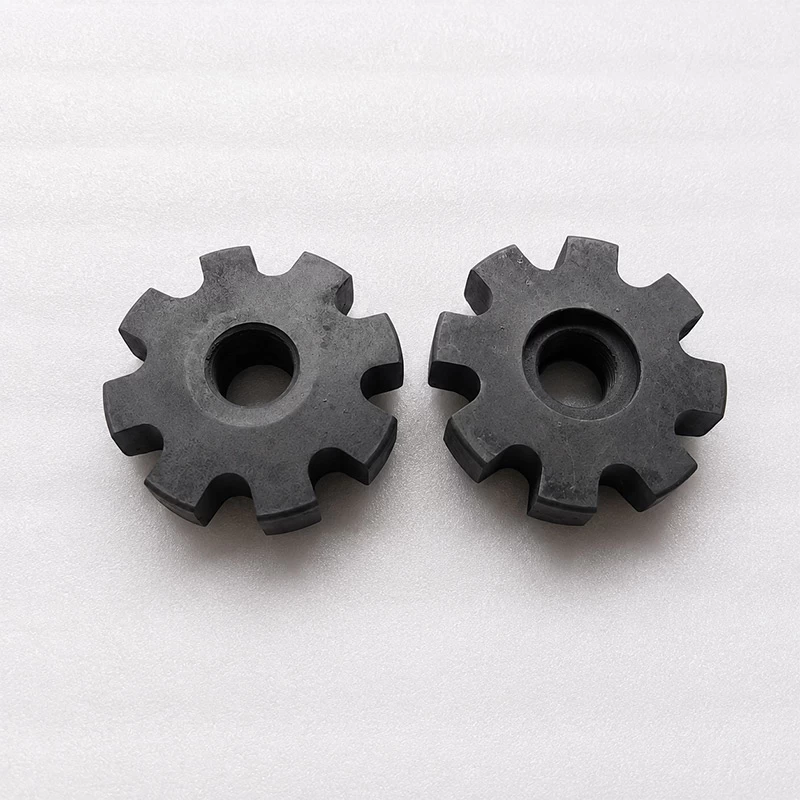
In the realm of industrial manufacturing and precision machining, abrasive wheels play a pivotal role in material processing, shaping, and finishing. Among these, the **eight-tooth graphite wheel** stands out as a specialized tool engineered for efficiency, durability, and precision. This blog post delves deeply into the design characteristics, applications, advantages, and performance factors associated with eight-tooth graphite wheels, providing a comprehensive understanding tailored for professionals and enthusiasts in manufacturing, materials engineering, and mechanical maintenance.
---
## Understanding the Eight-Tooth Graphite Wheel
### What Is a Graphite Wheel?
A graphite wheel is an abrasive tool used primarily for grinding and finishing operations. It typically consists of compressed graphite segments arranged around a hub, designed to cut or shape hard materials such as metals, ceramics, and composites. Graphite’s unique properties—high thermal conductivity, lubricity, and resistance to wear—make it an ideal abrasive medium in many industrial contexts.
### The Significance of “Eight-Tooth”
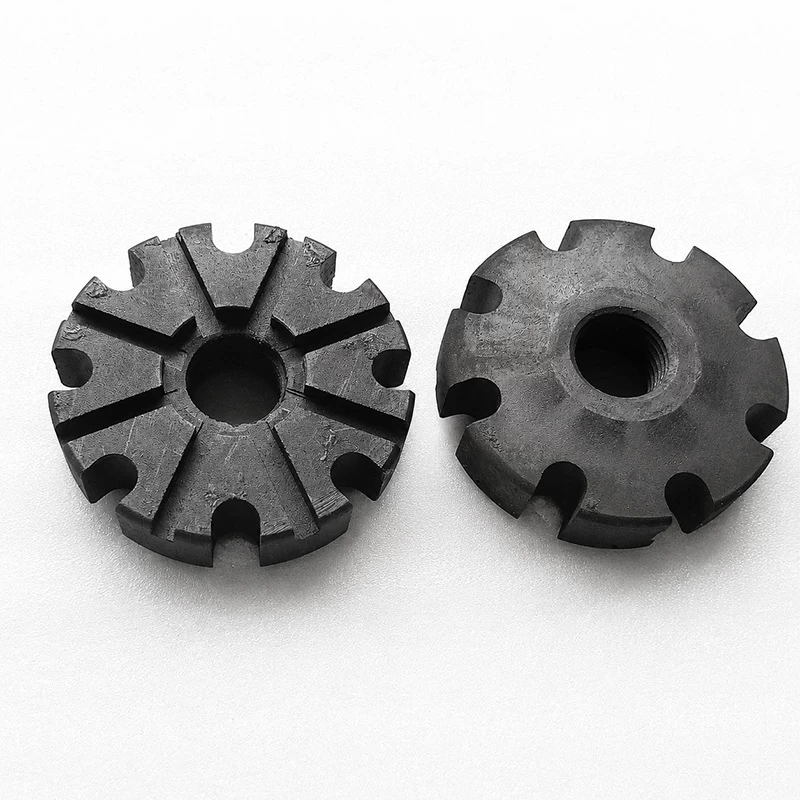
The term “eight-tooth” refers to the number of protruding abrasive segments, or “teeth,” arranged circumferentially on the wheel. Each tooth acts as a cutting edge, engaging the workpiece during operation. The specific configuration of eight teeth balances the need for aggressive material removal with smooth surface finish, ensuring efficient grinding without excessive vibration or heat buildup.
---
## Design Elements of the Eight-Tooth Graphite Wheel
Precision in design directly influences the performance and longevity of the eight-tooth graphite wheel.
### 1. Tooth Geometry and Spacing
Each of the eight teeth is carefully shaped to optimize contact with the workpiece. The geometry impacts:
- **Cutting Efficiency:** Sharper edges increase material removal rates.
- **Heat Dissipation:** Proper spacing between teeth allows better airflow, reducing overheating risks.
- **Vibration Control:** Balanced tooth distribution minimizes vibrations that can lead to surface defects.
### 2. Material Composition
Graphite used in these wheels is often blended with binders to enhance toughness. High-purity graphite ensures uniform hardness and consistent abrasion rates, which contribute to predictable wheel wear and superior finish quality.
### 3. Bonding and Arbor Compatibility
The wheel’s core is bonded to a metal arbor or hub, typically designed with precision tolerances to ensure concentricity and stability during high-speed rotation. Secure bonding prevents slippage and improves operator safety.
---
## Industrial Applications of Eight-Tooth Graphite Wheels
The versatility of eight-tooth graphite wheels spans several industries, including automotive, aerospace, electronics, and tool manufacturing.
### Precision Grinding in Automotive Manufacturing
In engine component production, such as camshafts and crankshafts, eight-tooth graphite wheels provide the fine grinding needed to meet rigorous dimensional tolerances. Their ability to maintain sharpness over extended cycles reduces downtime and improves throughput.
### Aerospace Component Finishing
Materials used in aerospace, like titanium alloys and superalloys, require grinding tools that handle high hardness and heat resistance. The thermal conductivity of graphite wheels helps dissipate heat, preserving material integrity and preventing microcracks.
### Electronics Industry: PCB and Semiconductor Processing
Graphite wheels with precise tooth configurations are utilized in delicate grinding processes for printed circuit boards (PCBs) and semiconductor wafers. The controlled abrasion profile ensures minimal damage to sensitive layers.
### Tool Sharpening and Maintenance
The eight-tooth design provides consistent grit exposure, making these wheels suitable for sharpening metal cutting tools, molds, and dies, where edge precision is paramount.
---
## Performance Factors and Optimization
To maximize the effectiveness of an eight-tooth graphite wheel, several operational parameters must be considered.
### Speed and Feed Rates
Operating speed (RPM) influences the balance between material removal rate and surface finish quality. Excessive speeds can cause thermal damage, while too slow may reduce productivity. Feed rates must complement wheel speed to maintain efficient cutting without dulling the teeth prematurely.
### Coolant Use and Heat Management
Although graphite wheels dissipate heat well, the use of coolants further enhances performance by reducing thermal expansion and prolonging wheel life. Selecting appropriate coolants compatible with the workpiece material and wheel composition is essential.
### Maintenance and Dressing
Regular dressing removes glazed or loaded abrasive surfaces, restoring cutting efficiency. For eight-tooth wheels, dressing must preserve the tooth shape to maintain grinding precision and balance.
---
## Advantages of Using Eight-Tooth Graphite Wheels
### Enhanced Surface Finish
The balanced tooth arrangement ensures even contact and smooth grinding, resulting in superior surface quality compared to wheels with fewer or unevenly spaced teeth.
### Longer Service Life
Graphite’s inherent lubricity reduces friction and wear, allowing the wheel to maintain performance over longer intervals without frequent replacement.
### Reduced Thermal Damage
Efficient heat dissipation properties minimize risks of thermal cracks or distortions in the workpiece, crucial for high-precision components.
### Versatility Across Materials
The wheel’s robust yet gentle abrasion makes it compatible with a wide range of materials, from hard metals to fragile ceramics.
---
## Challenges and Considerations
While eight-tooth graphite wheels offer significant benefits, users should be mindful of potential challenges:
- **Cost:** High-quality graphite wheels with precision tooth geometries can be more expensive upfront.
- **Fragility:** Despite toughness, graphite segments can be brittle if mishandled or subjected to impact.
- **Specialized Equipment:** Achieving optimal performance may require machinery capable of precise speed and feed control.
---
## Future Trends and Innovations
Advancements in materials science and manufacturing techniques continue to enhance the capabilities of graphite wheels:
- **Composite Materials:** Incorporating nano-materials or hybrid binders to improve toughness and reduce wear.
- **Additive Manufacturing:** Using 3D printing to create custom tooth profiles optimized for specific applications.
- **Smart Monitoring:** Integrating sensors to track wheel wear and predict maintenance needs in real time.
---
## Conclusion
The eight-tooth graphite wheel represents a refined balance of precision engineering and material science, delivering exceptional grinding performance across diverse industrial sectors. By understanding its design nuances, application scope, and operational best practices, manufacturers and engineers can leverage this tool to enhance productivity, ensure quality, and reduce costs. As technology progresses, the role of graphite wheels will only expand, driving innovation in machining and finishing processes.
---
**Keywords:** margin, padding, box-sizing, font-family, background, color, width, max-width, border-radius, position, overflow, content, right, top, left, bottom, height, z-index, display, grid-template-columns, gap, align-items, inline-flex, font-size, letter
*Note:* While the above keywords are primarily CSS-related and unrelated to the technical content of graphite wheels, they serve as metadata tags for web styling and layout purposes when publishing this article online. Proper use of these CSS properties will ensure the blog is visually accessible and professionally formatted for readers.