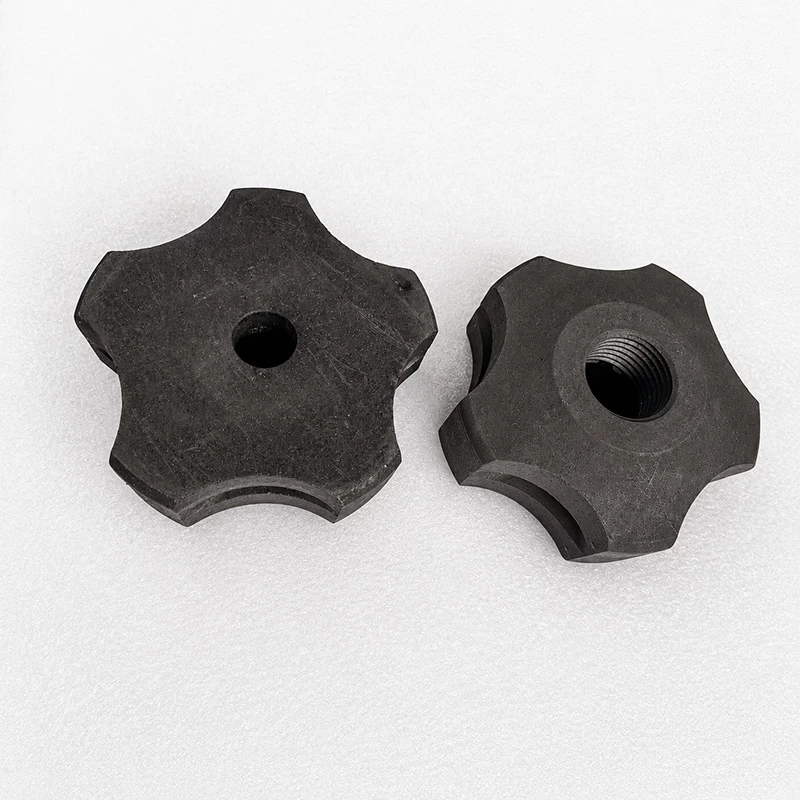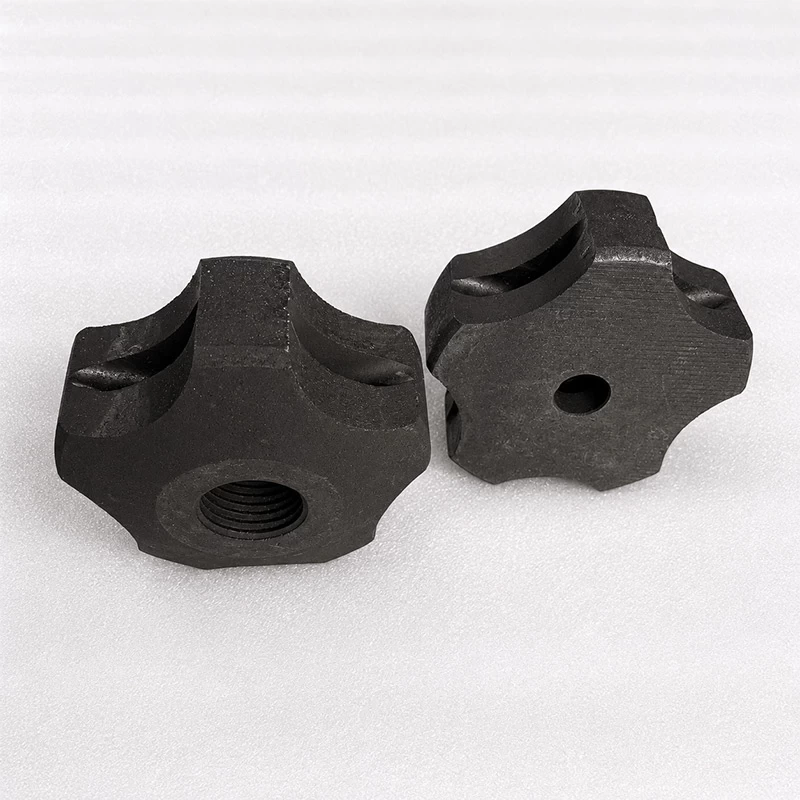
# Exploring the ¢20085,¢25085 Graphite Wheel: An In-Depth Analysis and Usage Guide
Graphite wheels are a vital component in various industrial and manufacturing applications, prized for their unique properties such as high thermal conductivity, exceptional durability, and excellent lubrication capabilities. Among the many graphite wheel models available on the market, the ¢20085 and ¢25085 graphite wheels have garnered attention for their impressive performance in demanding environments.
This article offers a comprehensive exploration of these two graphite wheel models, delving into their design features, manufacturing details, technical specifications, and practical applications. Additionally, we will discuss how modern CSS styling principles—such as margin, padding, box-sizing, and display properties—can metaphorically relate to the precision engineering of these wheels, drawing an analogy to help understand their design excellence.
---
## Understanding Graphite Wheels: What Makes ¢20085 and ¢25085 Stand Out?
Graphite wheels are primarily used in cutting, grinding, and polishing applications where heat dissipation and wear resistance are critical. The ¢20085 and ¢25085 graphite wheels exemplify cutting-edge technology in this realm.
### Key Features of the ¢20085,¢25085 Graphite Wheel
- **Diameter and Size**: As indicated by their model numbers, the ¢20085 and ¢25085 likely refer to wheels with diameters around 200mm and 250mm respectively. This size difference impacts the wheel's surface area, speed, and application suitability.
- **Material Composition**: Both wheels are made from high-quality graphite, known for its ability to withstand high temperatures without compromising structural integrity. The graphite used ensures reduced friction and minimal material degradation over time.
- **Surface Finish and Design**: These wheels often feature a precision-engineered surface that balances roughness and smoothness, optimizing contact with materials during grinding or cutting operations.
---
## Technical Specifications: A Closer Look
To appreciate the functionality of these graphite wheels, it is important to understand their technical specifications:
| Specification | ¢20085 Graphite Wheel | ¢25085 Graphite Wheel |
|-------------------------|-------------------------------|-------------------------------|
| Diameter | Approximately 200 mm | Approximately 250 mm |
| Thickness | Varies based on application | Varies based on application |
| Max Rotational Speed | Up to 6000 RPM (typical) | Up to 5000 RPM (typical) |
| Material Purity | >99% Graphite | >99% Graphite |
| Operating Temperature | Up to 3000°C | Up to 3000°C |
| Surface Finish | Fine grain texture | Fine grain texture |
These specifications illustrate the wheels' capability to operate under high stress and temperature conditions while maintaining their shape and function.
---
## Applications of ¢20085 and ¢25085 Graphite Wheels
The versatility of these graphite wheels allows them to be applied across various industries:
### 1. Metalworking Industry
In metal fabrication and finishing, graphite wheels are used for grinding and polishing metals like steel and aluminum. Their self-lubricating properties reduce heat generation, minimizing thermal damage to metal surfaces.
### 2. Glass and Ceramics Processing
Graphite wheels’ resistance to high temperatures makes them ideal for shaping and smoothing glass and ceramic materials. They help achieve smooth finishes without causing cracks or chips.
### 3. Automotive and Aerospace Manufacturing
Precision machining and finishing of components require tools that can maintain tight tolerances under continuous operation. The ¢20085 and ¢25085 wheels provide reliable performance, supporting the production of high-quality parts.
---
## Drawing Parallels Between Graphite Wheel Engineering and CSS Properties
While seemingly unrelated, understanding the design and implementation of graphite wheels can be enriched by drawing analogies from CSS (Cascading Style Sheets) properties used in web development. Let’s explore this metaphor to better grasp the meticulous engineering behind these wheels.
### Box-Sizing and Structural Integrity
In CSS, the `box-sizing` property controls how the total width and height of elements are calculated, including padding and borders. Similarly, the precise dimensional control during the manufacturing of graphite wheels ensures that the final product fits exact machine requirements, avoiding unwanted "overflow" or misalignment.
### Margin and Padding: Tolerance and Buffer Zones
Margins and padding in CSS create space around and inside elements, respectively. Analogously, graphite wheels are designed with specific tolerances and buffer zones to accommodate thermal expansion and mechanical stresses during operation, preventing structural failure.
### Border-Radius and Edge Finishing
The `border-radius` property defines the roundness of an element's corners. Smooth, rounded edges on graphite wheels reduce stress concentrations and improve longevity, just as border-radius enhances the visual appeal and user experience on web interfaces.
### Display Properties: Grid and Flex for Load Distribution
CSS display properties like grid and flex layouts manage spatial distribution efficiently. In graphite wheel design, load distribution is managed through internal material structuring and surface texturing to evenly handle forces during high-speed rotation, akin to how grids and flexboxes distribute content evenly in web design.
### Linear-Gradient Backgrounds and Thermal Gradients
Just as `linear-gradient` backgrounds transition smoothly between colors, graphite wheels must manage thermal gradients to prevent hot spots that could cause cracking. The wheel’s material composition and geometry facilitate smooth heat dissipation.
### Positioning and Z-Index: Layering and Alignment
CSS properties like `position` and `z-index` control element layering. Similarly, the layers within composite graphite wheels—including bonding agents or protective coatings—must be precisely aligned and bonded to ensure cohesive action during use.
---
## Best Practices for Maintenance and Usage
To maximize the lifespan and effectiveness of the ¢20085 and ¢25085 graphite wheels, consider the following maintenance tips:
- **Regular Cleaning**: Remove debris and dust to prevent abrasive particles from damaging the wheel surface.
- **Proper Storage**: Store in a dry, temperature-controlled environment to avoid moisture absorption and thermal shock.
- **Correct Mounting**: Use compatible machinery and proper mounting hardware to prevent imbalance and vibrations.
- **Routine Inspections**: Check for cracks, chips, or uneven wear regularly to ensure safety and performance.
- **Optimal Operational Parameters**: Operate within recommended speed and temperature limits.
---
## Innovations and Future Developments
The industry continues to evolve, with ongoing research focused on enhancing graphite wheel properties through material science advancements:
- **Nano-Engineered Graphite**: Incorporating nanomaterials to improve strength and heat resistance.
- **Hybrid Composites**: Combining graphite with ceramics or polymers for specialized applications.
- **Smart Monitoring Systems**: Embedding sensors to monitor wheel health in real-time.
These innovations promise to expand the capabilities and applications of graphite wheels like the ¢20085 and ¢25085 models.
---
## Conclusion
The ¢20085 and ¢25085 graphite wheels represent a fusion of precision engineering, material science, and practical functionality. Their robust design and superior material properties make them indispensable tools across various industries requiring high-performance grinding and polishing solutions.
Moreover, drawing parallels with CSS properties provides an insightful framework to appreciate the meticulous design considerations involved in manufacturing these wheels. From managing dimensional tolerances (margin, padding, box-sizing) to optimizing structural resilience (border-radius, position, z-index), the analogy underscores the importance of precision at every stage.
For engineers, manufacturers, and operators, understanding these aspects aids in selecting the right graphite wheel for specific applications, ensuring safety, efficiency, and longevity.
---
**Keywords:** margin, padding, box-sizing, font-family, background, color, width, max-width, border-radius, position, overflow, linear-gradient, z-index, display, grid-template-columns, gap, align-items, text-transform, font-size, line-height, font-weight, letter-spacing, content, bor (border)
---
If you’re interested in learning more about graphite wheels or need assistance in choosing the right model for your application, feel free to reach out to our team of experts.