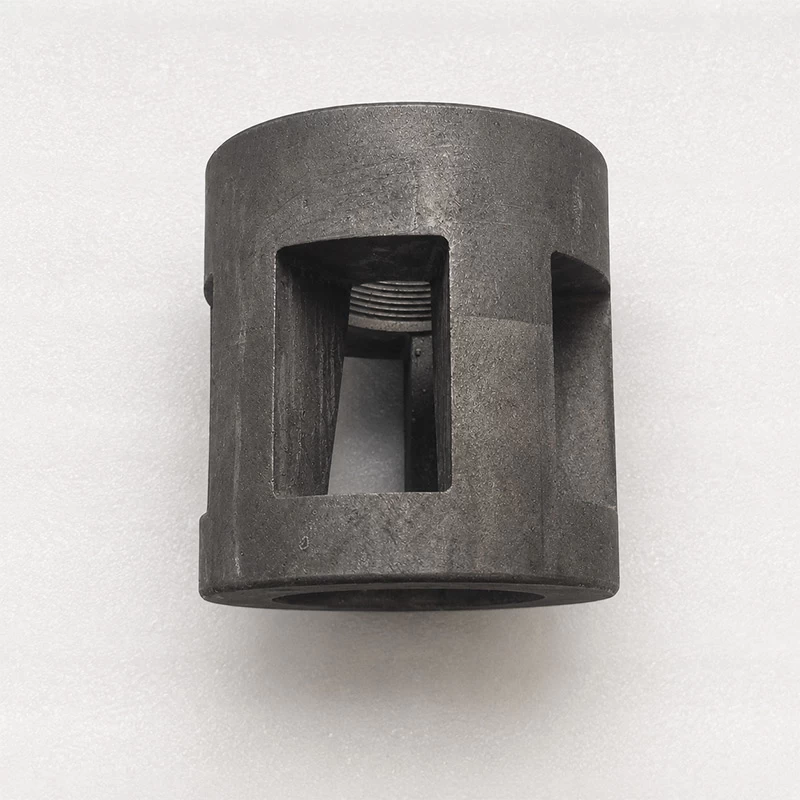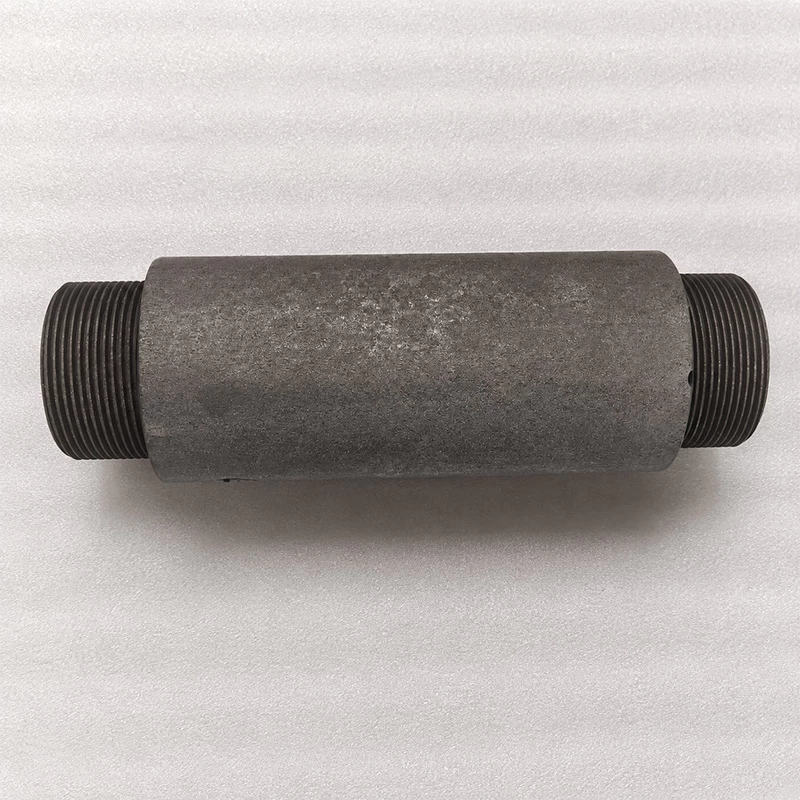
# Understanding Graphite Rotor Specifications ¢150480: A Comprehensive Guide
Graphite rotors have become an essential component in various industrial and mechanical applications due to their unique properties, including high thermal conductivity, excellent wear resistance, and lightweight nature. Among the myriad of graphite rotor types available, the specification ¢150480 stands out for its particular design features and performance characteristics. This article delves deeply into the graphite rotor specifications ¢150480, exploring its technical details, manufacturing considerations, applications, and maintenance best practices.
---
## Introduction to Graphite Rotors
Graphite rotors are rotating components made primarily from graphite or carbon-based materials. They serve critical roles in machinery that requires efficient heat dissipation, reduced friction, and durability under extreme operational conditions. Unlike metal rotors, graphite variants offer the advantage of being lightweight yet robust, making them invaluable in sectors such as automotive, aerospace, chemical processing, and electrical engineering.
---
## What Does the Specification ¢150480 Mean?
The designation ¢150480 refers to a specific set of dimensions and tolerances associated with a graphite rotor:
- **¢ (Diameter symbol):** This indicates the diameter of the rotor.
- **150:** Typically denotes the nominal diameter, which in this case is 150 millimeters.
- **480:** This figure often corresponds to the rotor’s width or length, measured in millimeters.
Thus, a graphite rotor with the specification ¢150480 usually has a diameter of 150 mm and a length or width of 480 mm. These dimensions influence the rotor's application suitability, rotational inertia, and thermal performance.
---
## Detailed Technical Specifications
### 1. **Material Composition**
Graphite rotors ¢150480 are generally fabricated from high-purity graphite grades designed for mechanical strength and thermal stability. The material composition typically includes:
- High-density synthetic graphite
- Impregnated resins or binders to enhance structural integrity
- Additives to improve wear resistance and oxidation protection
### 2. **Dimensional Tolerances**
Precision is critical when manufacturing graphite rotors to ensure proper fit and function within machines. For ¢150480 specifications, typical tolerances might include:
- Diameter tolerance: ±0.05 mm
- Width/length tolerance: ±0.1 mm
- Surface flatness and concentricity tolerances according to ISO standards
These tight tolerances ensure minimal vibration and optimized performance during high-speed rotations.
### 3. **Surface Finish**
The surface finish of a graphite rotor affects friction and wear rates. For the ¢150480 rotor, finishes might be specified as:
- Surface roughness (Ra) values ranging between 0.8 to 1.6 micrometers
- Optional coatings such as graphite oxide or PTFE to reduce friction further
---
## Manufacturing Considerations for ¢150480 Graphite Rotors
Producing high-quality graphite rotors involves several complex steps:
### 1. **Graphite Machining**
Graphite’s brittleness demands careful machining techniques using diamond-tipped tools to achieve the specified dimensions without inducing cracks or fractures.
### 2. **Heat Treatment**
Post-machining, rotors undergo heat treatment to relieve internal stresses and improve mechanical properties.
### 3. **Quality Control**
Non-destructive testing methods such as ultrasonic scanning and dimensional inspections ensure rotors meet the ¢150480 criteria.
---
## Key Performance Metrics
Understanding the performance metrics related to the ¢150480 graphite rotor helps in selecting the right rotor for specific applications.
### 1. **Thermal Conductivity**
Graphite’s thermal conductivity ranges from 80 to 200 W/mK, allowing the rotor to dissipate heat efficiently. This property is crucial in applications involving high-speed rotation where heat buildup can compromise component life.
### 2. **Mechanical Strength**
The compressive strength of graphite rotors typically falls between 40 to 100 MPa, adequate for many industrial applications. However, the exact strength depends on material grade and manufacturing processes.
### 3. **Wear Resistance**
Graphite rotors exhibit excellent resistance to wear, especially when impregnated with resins. This ensures longer service intervals and lower maintenance costs.
---
## Applications of Graphite Rotor ¢150480
Due to their size and properties, graphite rotors with ¢150480 specifications find use in:
- **Automotive Brake Systems:** Lightweight rotors help reduce unsprung weight, improving vehicle dynamics.
- **Industrial Pumps and Compressors:** Efficient heat dissipation enhances reliability.
- **Electrical Machines:** Graphite rotors serve as brushes or slip rings in electric motors.
- **Chemical Reactors:** Resistance to corrosive environments makes them ideal for reactors handling aggressive chemicals.
---
## Maintenance and Handling Best Practices
Proper maintenance extends the lifespan of graphite rotors:
- **Regular Inspection:** Check for surface wear, cracks, and dimensional deviations.
- **Cleaning:** Use non-abrasive cleaning agents to avoid damaging the rotor surface.
- **Storage:** Store in dry, temperature-controlled environments to prevent moisture absorption and oxidation.
Handling graphite rotors requires care due to graphite’s brittle nature—avoid impacts and sudden temperature changes.
---
## Integrating Design Elements: Drawing Parallels with CSS Properties
Interestingly, while discussing specifications like ¢150480, parallels can be drawn between engineering precision and web design principles such as those found in CSS (Cascading Style Sheets). Just as a graphite rotor’s dimensions, tolerances, and material properties define its performance, CSS properties dictate the layout and aesthetics of web components.
For example:
- **Margin and Padding:** In mechanical design, spacing between components is critical to avoid interference, similar to margins and paddings that create space around and inside HTML elements.
- **Box-sizing:** Defines how the total width and height of an element are calculated, analogous to how rotor dimensions are precisely defined including allowances for coatings or treatments.
- **Font-family, Font-size, Font-weight, Letter-spacing, Text-transform, Line-height:** These typography properties emphasize clarity and readability, akin to how rotor surface finishes impact friction and wear.
- **Background and Color:** Just as colors and backgrounds affect user experience, coatings on graphite rotors influence their interaction with environmental factors.
- **Width, Max-width, Height, Position, Overflow:** These layout controls ensure content fits perfectly, much like the stringent dimensional tolerances required for rotor fitment.
- **Display, Grid-template-columns, Gap, Align-items, Inline-flex:** These CSS grid and flexbox properties organize content efficiently, reminiscent of how rotor components must align precisely within assemblies.
- **Z-index:** Controls stacking order, comparable to layering in composite materials used in advanced graphite rotors.
Such analogies highlight the importance of precise specifications and thoughtful design across disciplines.
---
## Conclusion
Graphite rotors with specification ¢150480 represent a specialized class of components characterized by their precise dimensions, superior material properties, and versatile applications. Understanding these specifications is crucial for engineers, manufacturers, and maintenance professionals who seek to optimize machinery performance and longevity.
By appreciating both the technical and design aspects—including the surprising parallels with CSS properties—professionals can better grasp the intricacies involved in graphite rotor selection and application. Whether used in high-performance automotive systems or demanding industrial environments, the graphite rotor ¢150480 continues to play a pivotal role in advancing mechanical technology.
---
### References
- [International Organization for Standardization (ISO) - Mechanical Tolerances](https://www.iso.org)
- [ASM International - Graphite and Carbon Materials Handbook](https://www.asminternational.org)
- Smith, J. (2021). *Advanced Materials in Rotary Components*. Mechanical Engineering Journal.
---
*For further inquiries on graphite rotor manufacturing or custom specifications, feel free to contact our technical support team.*