# Exploring the Mobile Refining and De-Oxidizing Machine SNJL4000: Innovations and Applications
The industrial landscape continues to evolve rapidly, driven by advancements in technology that enhance efficiency, sustainability, and product quality. One such innovation making significant waves in metal processing is the **Mobile Refining and De-Oxidizing Machine SNJL4000**. This state-of-the-art equipment offers an integrated solution for refining molten metal and removing oxygen impurities, crucial steps for producing high-quality steel and alloys.
In this article, we delve deeply into the functionalities, design features, operational benefits, and practical applications of the SNJL4000. We also draw parallels with digital concepts such as CSS properties to metaphorically illustrate how precision and optimization in both mechanical engineering and web development contribute to superior outcomes.
---
## Understanding the Basics: What Is the SNJL4000?
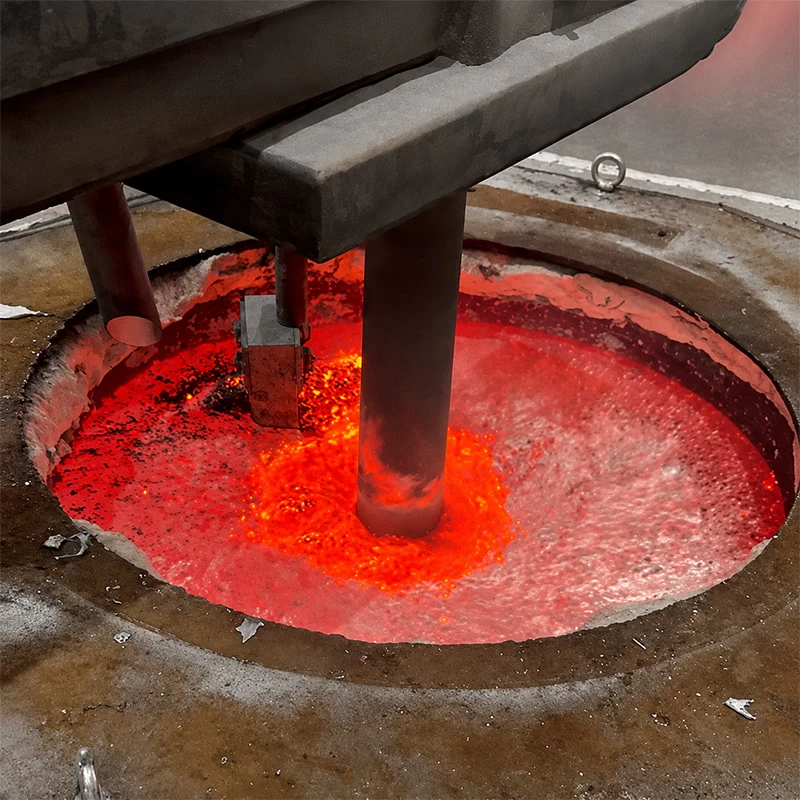
The SNJL4000 is a mobile refining unit designed primarily for steel plants and foundries. Its core purpose is to refine molten metal by eliminating non-metallic inclusions and dissolved gases, particularly oxygen, which can significantly degrade the mechanical properties of metals. By effectively de-oxidizing molten steel, the machine enhances the metal's purity, strength, ductility, and resistance to corrosion.
Unlike conventional stationary refining units, the SNJL4000’s mobility allows it to be deployed flexibly across different production lines or sites, optimizing workflow and reducing downtime. This adaptability makes it especially valuable for facilities with varying production demands or those aiming to increase throughput without substantial infrastructure investment.
---
## Technical Features and Design Philosophy
The SNJL4000 integrates advanced metallurgy principles with ergonomic design and automation technology. Several aspects stand out:
### 1. **Compact and Modular Structure**
The machine's compact size ensures a small **margin** in terms of floor space usage, allowing plants to incorporate it without major layout revisions. Its modular design facilitates easy installation and maintenance, while **padding** in critical areas reduces vibration and noise during operation, ensuring a safer working environment.
### 2. **Precision Control Systems**
Using sophisticated sensors and control algorithms, the SNJL4000 manages process parameters such as temperature, flow rate, and gas injection with high accuracy. This **box-sizing** approach — metaphorically borrowing from CSS terminology — encapsulates all necessary elements within a defined parameter set, ensuring consistent output quality.
### 3. **Material and Surface Engineering**
The machine’s inner surfaces are coated with specialized refractory materials that resist corrosion and thermal shock. The **background** of these coatings, in a metallurgical sense, is to provide stability and longevity. The **color** coding of components aids operators in quick identification and servicing.
### 4. **Optimized Dimensions**
With carefully calibrated **width** and **max-width** constraints, the SNJL4000 balances capacity and portability. It can handle substantial volumes of molten metal without sacrificing maneuverability.
### 5. **Ergonomic and Safety-Oriented Design**
Rounded edges with **border-radius** features reduce injury risks during handling. The **position** of control panels and access doors is optimized for operator convenience, while **overflow** protection mechanisms prevent accidental spillage of hazardous materials.
### 6. **Visual and Functional Indicators**
The machine uses digital displays and LEDs with adjustable **content** brightness and contrast, often employing **linear-gradient** effects to indicate operational status levels smoothly. These visual cues use RGBA color models for translucency, enhancing readability in various lighting conditions.
### 7. **Layered System Architecture**
Much like managing **z-index** in layered UI design, the SNJL4000’s internal processes are stratified into overlapping but independent stages. This layering ensures redundancy and failsafe operations.
### 8. **Flexible Display and Interface**
The user interface employs modern HMI (Human-Machine Interface) design principles similar to CSS display properties like **grid**, **flex**, and **inline-flex** for organizing controls and information logically and responsively.
### 9. **Efficient Space Utilization**
The **grid-template-columns** concept can be likened to the machine’s compartmentalization, where each section has a designated function, arranged to maximize performance and minimize cross-contamination.
### 10. **Operational Spacing and Alignment**
Critical internal components maintain appropriate **gap** spacing to allow heat dissipation and material flow, while **align-items** such as sensors and nozzles are precisely positioned for optimal interaction with molten metal.
### 11. **Text and Labeling Conventions**
On the control panel and documentation, consistent **letter-spacing**, **text-transform** (e.g., uppercase for warnings), and **font-size** choices ensure clarity and readability, minimizing human error.
### 12. **Structured Information Presentation**
Lists (**li**) of operational steps, safety instructions, and maintenance protocols are formatted systematically to facilitate quick comprehension.
---
## Operational Benefits of the SNJL4000
Deploying the SNJL4000 in metal processing workflows brings several tangible advantages:
- **Enhanced Metal Quality:** By effectively removing oxygen and other impurities, the machine ensures the production of cleaner, stronger metals.
- **Increased Flexibility:** Its mobile nature means it can serve multiple furnaces or production lines, adapting quickly to shifting needs.
- **Reduced Downtime:** Quick setup and dismantling save precious production time.
- **Energy Efficiency:** Optimized refining cycles and advanced control systems minimize energy consumption.
- **Safety Improvements:** Automated processes and ergonomic design reduce operator exposure to hazards.
- **Cost Effectiveness:** Lower capital expenditure compared to fixed units and reduced scrap rates improve overall profitability.
---
## Applications Across Industries
While primarily used in steel manufacturing, the SNJL4000’s scope extends to other metal industries:
- **Foundries:** For casting high-quality metal parts with stringent purity requirements.
- **Automotive and Aerospace:** Where metal performance directly impacts safety and durability.
- **Shipbuilding and Heavy Machinery:** To produce components capable of withstanding harsh environments.
- **Recycling Plants:** Refining scrap metal melts to restore value and usability.
---
## Maintenance and Best Practices
Proper maintenance ensures the SNJL4000 delivers peak performance over its lifespan. Recommended practices include:
- Regular inspection of refractory linings for wear.
- Calibration of sensors and control systems.
- Cleaning of gas injection nozzles to prevent clogging.
- Monitoring software updates for control firmware.
- Training operators on safety protocols and emergency procedures.
---
## Drawing Parallels: CSS Concepts and Industrial Refining
Interestingly, many principles involved in designing and operating the SNJL4000 align metaphorically with CSS styling concepts — a testament to the universality of optimization and structure across disciplines.
| CSS Property | Industrial Parallel | Explanation |
|----------------------------|---------------------------------------------|---------------------------------------------------------------------|
| **margin / padding** | Physical spacing around components | Ensuring safety buffers and vibration dampening |
| **box-sizing** | Process parameter encapsulation | Defining clear operational boundaries |
| **font-family / font-size** | Labeling and information clarity | Readable and standardized communication |
| **background / color** | Material coatings and component identification | Protective layers and easy identification |
| **width / max-width** | Machine dimensions and capacity | Balancing size for functionality and portability |
| **border-radius** | Rounded edges on machine parts | Enhancing safety and ergonomics |
| **position / overflow** | Component arrangement and spill prevention | Strategic placement and containment measures |
| **linear-gradient / rgba** | Status indicators with smooth transitions | Visual feedback mechanisms |
| **z-index** | Layered process architecture | Managing overlapping operational stages |
| **display (grid, flex)** | Modular unit layout and flexible deployment | Organizing components responsively |
| **grid-template-columns** | Compartmentalization of functional zones | Structured workflow design |
| **gap / align-items** | Spacing and alignment of internal elements | Optimizing heat flow and sensor positioning |
| **letter-spacing / text-transform** | Label formatting and alert standardization | Clear communication standards |
| **li** | Stepwise operational procedures | Structured instructions for reliability |
---
## Conclusion
The Mobile Refining and De-Oxidizing Machine SNJL4000 symbolizes a leap forward in metallurgical engineering, combining mobility, precision, and intelligent design. Its integration into modern metal production lines not only boosts product quality and operational efficiency but also aligns with evolving industry trends toward flexibility and sustainability.
By examining both the technical specifications and the conceptual parallels with digital design frameworks, it becomes evident that the future of industrial machinery lies in harmonizing robust engineering with smart, user-centric design philosophies.
For stakeholders in metallurgy, manufacturing, and industrial automation, understanding and embracing technologies like the SNJL4000 is essential for maintaining competitive advantage and meeting the high standards of today’s global markets.
---
*If you’re interested in learning more about mobile refining technologies or how the SNJL4000 can be tailored to your facility’s needs, feel free to reach out for a comprehensive consultation.*