# Exploring the ¢20080 Graphite Wheel: Applications, Design, and Technical Insights
In the realm of industrial manufacturing and precision machining, the choice of grinding wheels plays a pivotal role in determining the quality, efficiency, and longevity of the tooling process. Among the many options available, the ¢20080 graphite wheel has garnered significant attention for its exceptional properties and versatile applications. This article delves deeply into the characteristics, benefits, and technical considerations surrounding the ¢20080 graphite wheel, while also drawing insightful parallels to essential design concepts like margin, padding, box-sizing, and other CSS-related terminology to help explain its structure and performance from both a materials science and an engineering perspective.
---
## Understanding the ¢20080 Graphite Wheel
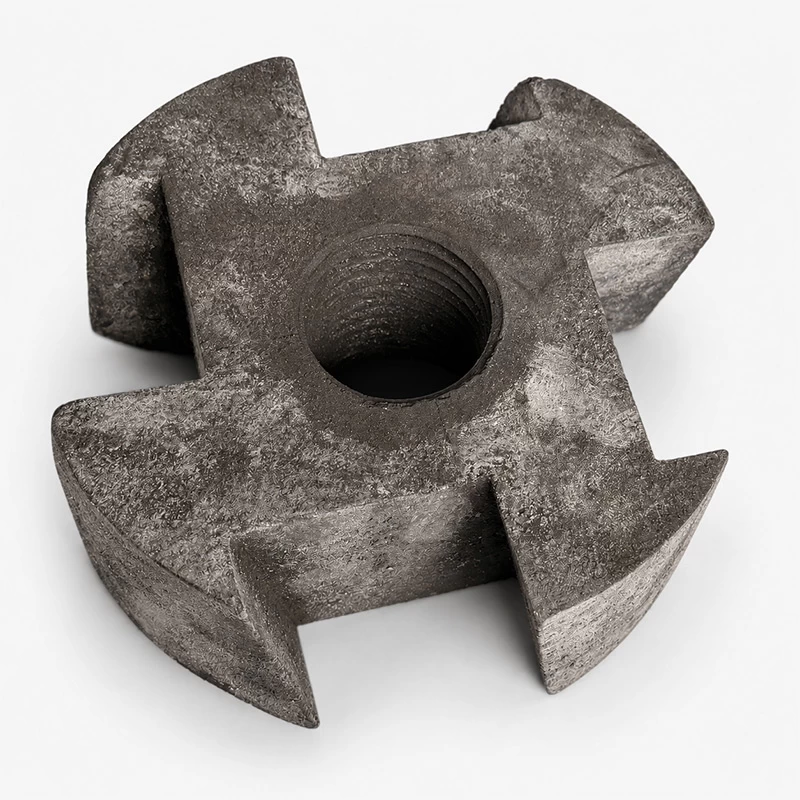
The ¢20080 graphite wheel is a specialized abrasive tool used primarily in grinding and finishing processes. It is characterized by its composition—graphite-based abrasive particles bonded together to form a durable and efficient grinding interface. The designation "¢20080" typically refers to specific dimensional standards and grit sizes that define the wheel’s size and abrasive fineness, respectively.
### Key Features
- **Material Composition:** Graphite, known for its high thermal conductivity and low friction coefficient, forms the core of this wheel, making it ideal for applications requiring efficient heat dissipation and minimal wear.
- **Dimensional Attributes:** The “¢20080” specification often denotes a wheel diameter of 200 mm (¢200) and an abrasive grit of 80, striking a balance between surface finish and material removal rates.
- **Durability:** The graphite matrix offers resilience against thermal shocks and mechanical stresses, extending the wheel’s operational lifespan.
- **Precision Grinding:** Its fine grit and stable composition make it suitable for high-precision grinding tasks, particularly in metalworking and advanced ceramics.
---
## Applications of the ¢20080 Graphite Wheel
The versatility of the graphite wheel extends across various industries due to its unique combination of hardness, thermal stability, and lubricity. Here are some notable application areas:
### Metalworking and Tool Sharpening
In metal fabrication, the ¢20080 graphite wheel is widely used for sharpening cutting tools, such as drills, end mills, and lathe tools. The graphite’s ability to dissipate heat helps prevent tool overheating, which can degrade the temper and reduce tool life.
### Aerospace and Automotive Industries
High-performance components in aerospace and automotive sectors demand materials with tight tolerances and smooth finishes. The graphite wheel facilitates fine grinding of turbine blades, engine parts, and transmission components, ensuring dimensional accuracy and surface integrity.
### Electronics and Semiconductor Manufacturing
The production of electronic devices often involves precise grinding of silicon wafers and ceramic substrates. The low friction and controlled abrasive action of the graphite wheel minimize micro-cracks and defects, preserving the functional properties of sensitive components.
---
## Technical Considerations: Drawing Parallels to CSS Properties
While the ¢20080 graphite wheel belongs to the realm of industrial materials, understanding its design and function can benefit from analogies often found in web design—specifically CSS properties such as margin, padding, box-sizing, and layout controls. These terms metaphorically illustrate how the wheel’s structure influences its performance.
### Margin and Padding: Structural Tolerances and Surface Layers
- **Margin (Clearance):** Just as CSS margin defines the space outside an element’s border, the effective clearance around the grinding wheel (between the wheel and the workpiece or machine housing) impacts safety and operational precision. Proper margin ensures no unintended contact or damage occurs during rotation.
- **Padding (Protective Layers):** In a similar vein, the wheel’s surface may have protective coatings or bonding agents acting as “padding,” cushioning the abrasive grains and absorbing shocks to enhance durability.
### Box-Sizing: Defining Total Dimensions and Fit
CSS box-sizing controls whether padding and borders are included within an element’s width and height. For the graphite wheel, this concept relates to how the abrasive layer (pad) and bonding resin contribute to the overall dimensions and fit within grinding machines. Precise control ensures compatibility and optimal contact with the workpiece.
### Font-Family and Typography: Material Grain and Abrasive Distribution
Just as font-family specifies typeface style and readability, the grain distribution in the graphite wheel determines texture and grinding quality. A well-chosen “grain family” or abrasive type ensures consistent cutting action and surface finish.
### Background and Color: Visual Indicators and Material Properties
The wheel’s color and surface appearance can indicate the type of abrasive and bonding materials used. For example, a linear-gradient effect in the wheel’s cross-section might reflect layered construction designed for graduated wear and heat distribution.
### Width and Max-Width: Dimensional Constraints
The width and max-width properties in CSS define element sizing limits. Similarly, the graphite wheel’s thickness and diameter are constrained by machinery specifications and desired grinding parameters to maintain balance and prevent vibration.
### Border-Radius: Edge Profile and Safety
Rounded edges (border-radius) in CSS improve aesthetics and usability; likewise, the wheel’s edge profile is carefully engineered—often rounded—to reduce chipping, improve operator safety, and maintain consistent contact during grinding.
### Position and Overflow: Mounting and Debris Management
Positioning in CSS affects element placement; in the context of grinding wheels, accurate mounting position ensures concentric rotation and minimal runout. Overflow management relates to the wheel’s ability to handle debris generated during grinding without clogging or degradation.
### Display (Grid, Flex, Inline-Flex): Abrasive Particle Arrangement
Display properties control layout behavior in CSS. On a microscopic scale, the arrangement of abrasive particles within the graphite matrix resembles a grid or flex layout, optimizing contact points for efficient material removal and heat dissipation.
### Grid-Template-Columns and Gap: Pore Structure and Cooling Channels
Just as grid-template-columns specify column distribution and gap sets spacing in CSS grids, the internal pore structure and spacing between abrasive grains affect coolant flow and chip removal, preventing thermal damage and wheel clogging.
### Align-Items and Z-Index: Particle Orientation and Layer Hierarchy
Align-items aligns children elements in CSS; similarly, the orientation of graphite flakes or abrasive crystals can influence grinding directionality and efficiency. Z-index parallels the layering of bonding agents over abrasive cores, affecting the wheel’s strength.
### Letter-Spacing, Text-Transform, Font-Size, Line-Height: Microstructural Uniformity and Performance Metrics
These typography properties relate to spacing, case transformation, size, and line spacing—analogous to microstructural uniformity, particle size distribution, and layer thickness in the graphite wheel. These factors collectively dictate grinding smoothness, surface finish, and operational consistency.
---
## Manufacturing Process of the ¢20080 Graphite Wheel
Producing a high-quality ¢20080 graphite wheel involves several critical steps, each influencing the final product’s performance:
1. **Raw Material Preparation:** Selection of pure graphite powder and abrasive grains with controlled particle size ensures consistency.
2. **Mixing and Bonding:** The abrasive particles are mixed with bonding resins or vitrified materials, with additives to enhance heat resistance and toughness.
3. **Molding and Shaping:** The mixture is pressed into molds corresponding to the ¢20080 dimensions, ensuring uniform density and shape.
4. **Curing and Sintering:** Heat treatment solidifies the bond and imparts mechanical strength while retaining porosity for coolant flow.
5. **Finishing:** Wheels are balanced, dressed, and tested for dimensional accuracy, surface roughness, and concentricity.
---
## Maintenance and Safety Considerations
Proper maintenance and adherence to safety guidelines are paramount when using graphite wheels:
- **Dressing:** Periodic dressing removes clogged abrasive and restores sharpness and surface profile.
- **Balancing:** Ensures smooth rotation, minimizing vibrations that can lead to premature wear or accidents.
- **Storage:** Prevent moisture exposure and physical damage to preserve structural integrity.
- **Personal Protective Equipment (PPE):** Operators must use eye protection, gloves, and respiratory masks to avoid injury from particulate matter and sparks.
---
## Future Trends and Innovations
Research continues to enhance the performance of graphite wheels through:
- **Nanostructured Abrasives:** Incorporating nano-sized particles for improved precision and surface finish.
- **Advanced Bonding Agents:** Developing eco-friendly and thermally stable bonds to extend wheel life.
- **Smart Sensors:** Embedding sensors to monitor wear, temperature, and vibration in real-time, enabling predictive maintenance.
---
## Conclusion
The ¢20080 graphite wheel stands as a testament to the interplay between material science, engineering precision, and thoughtful design. Its robust performance across diverse industries stems from optimized material composition, meticulous manufacturing, and well-understood mechanical principles—paralleling many foundational concepts familiar to web designers and developers who work with CSS properties such as margin, padding, box-sizing, and layout controls.
By appreciating these analogies and technical intricacies, professionals can better select, utilize, and innovate upon the graphite wheel technology, driving improvements in manufacturing quality, efficiency, and sustainability.
---
*For those interested in diving deeper into the technical specifications or procurement options for the ¢20080 graphite wheel, consulting with manufacturers and reviewing detailed datasheets is highly recommended to align product capabilities with specific application needs.*