# Exploring Graphite Baffle: Applications, Advantages, and Design Considerations
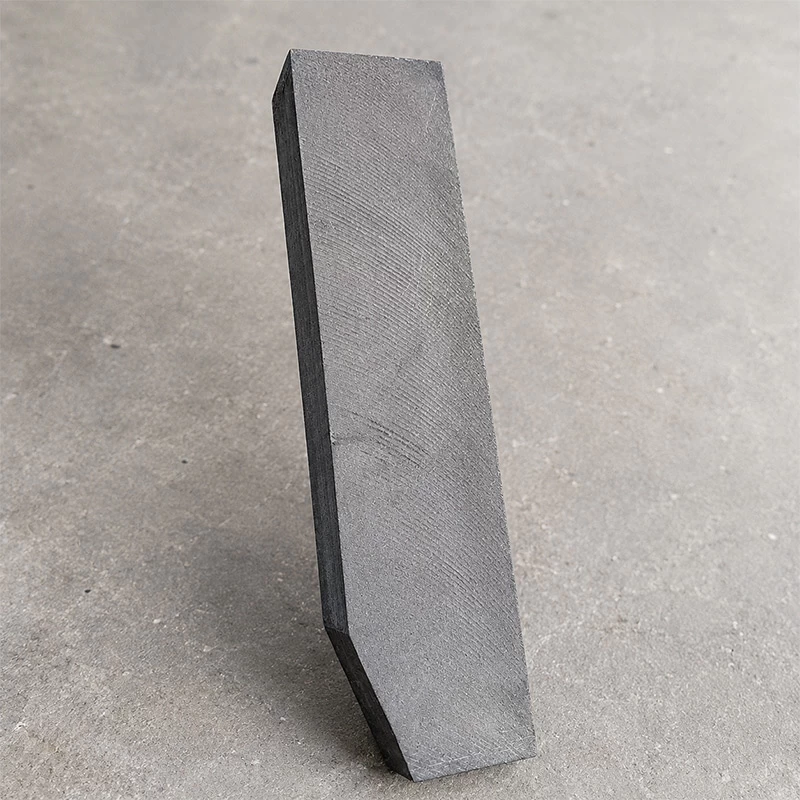
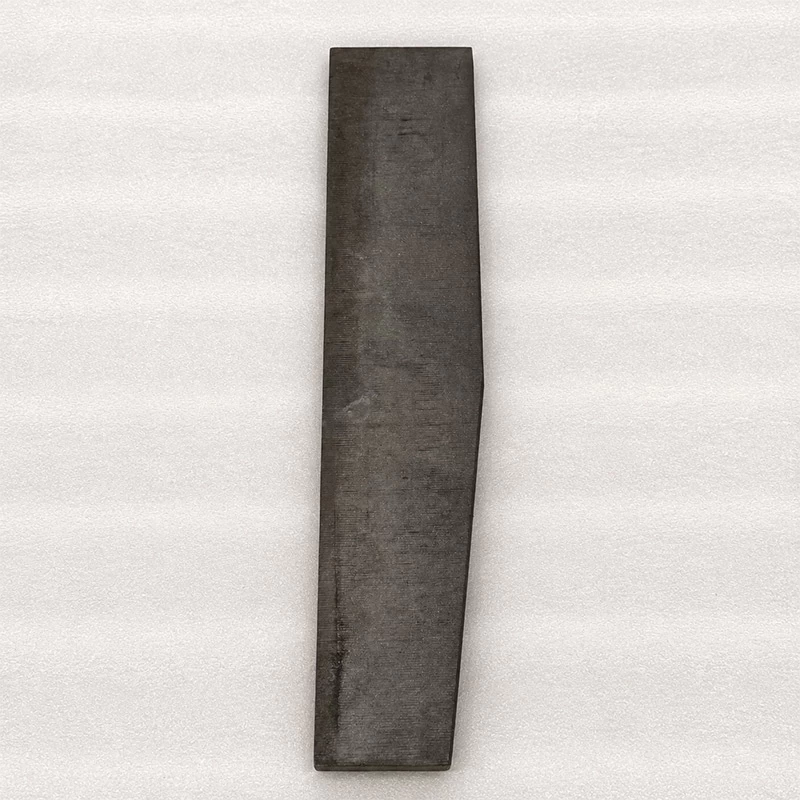
Graphite baffles are an often-overlooked yet critical component in various industrial applications, particularly within heat exchangers, chemical reactors, and filtration systems. Their unique properties—stemming from graphite’s exceptional thermal conductivity, chemical resistance, and mechanical strength—make graphite baffles indispensable in optimizing fluid dynamics and heat transfer efficiency.
In this comprehensive article, we delve into the concept of graphite baffles, exploring their design principles, advantages, common applications, and key considerations for engineers and designers. We will also touch on the interplay between material science and structural design, drawing parallels with some fundamental concepts in layout design such as margin, padding, and positioning—terms many may recognize from the field of CSS but which metaphorically relate to mechanical and spatial engineering as well.
---
## What is a Graphite Baffle?
A **baffle** is a device used to direct or obstruct fluid flow within a system. In heat exchangers or reactors, baffles force the fluid to follow specific paths, increasing turbulence and enhancing heat transfer efficiency. When these baffles are made from **graphite**, they bring additional benefits due to graphite’s intrinsic properties:
- **High thermal conductivity:** Enables efficient heat transfer.
- **Chemical inertness:** Resistant to corrosive chemicals and high temperatures.
- **Mechanical strength:** Durable under stress and thermal cycling.
- **Lightweight:** Easier to install and maintain compared to metal alternatives.
Graphite baffles can be custom-designed to fit within various vessel geometries, ensuring optimal fluid flow patterns and maximizing equipment performance.
---
## Key Design Principles of Graphite Baffles
Designing effective graphite baffles requires careful consideration of fluid mechanics, thermal properties, and structural integrity. Here, we draw an analogy by paralleling some CSS box model properties such as *margin*, *padding*, and *box-sizing* with physical spacing and clearance requirements in baffle design.
### 1. Margin and Padding: Physical Spacing and Clearance
- **Margin (External Space):** In engineering terms, this corresponds to the clearance between the baffle and the vessel wall or other internal components. Proper margin ensures minimal wear and prevents obstruction or damage caused by vibration or thermal expansion.
- **Padding (Internal Space):** Represents the thickness or buffer zones within the baffle structure itself, which can affect flow resistance and pressure drop.
Just like in web design where margins prevent elements from colliding, in mechanical design, these clearances are crucial for operational safety and longevity.
### 2. Box-sizing: Material Dimensions and Tolerances
The *box-sizing* property in CSS determines how width and height are calculated with respect to padding and borders. Similarly, when designing graphite baffles, engineers must consider dimensions including manufacturing tolerances and surface finish to ensure the baffle fits perfectly without excessive gaps or binding.
### 3. Font-family, Font-size, and Line-height: Standardization and Modular Design
Although these are typographic terms, they metaphorically represent the importance of standardization in baffle fabrication. Using modular designs with standardized sizes simplifies manufacturing, inventory, and maintenance.
---
## Advantages of Using Graphite Baffles
Graphite baffles outperform traditional materials like stainless steel or polymer composites in several key areas:
### 1. Superior Thermal Performance
Graphite's high thermal conductivity (ranging from 80 to 120 W/m·K depending on grade) allows for better heat dissipation than many metals. This improves the overall efficiency of heat exchangers by facilitating uniform temperature distribution and reducing hotspots.
### 2. Chemical Resistance
Graphite is chemically inert to many aggressive solvents, acids, and alkalis, making graphite baffles ideal for harsh environments such as chemical reactors and filtration units handling corrosive fluids.
### 3. Lightweight yet Durable
Compared to metals, graphite has lower density (~1.5–2.2 g/cm³), reducing the load on support structures and easing installation while still maintaining excellent mechanical stability under operational stresses.
### 4. Reduced Fouling and Maintenance
Graphite surfaces tend to resist fouling and scaling better than metals, decreasing downtime and maintenance costs over the life cycle of equipment.
---
## Common Applications of Graphite Baffles
### Heat Exchangers
In shell-and-tube heat exchangers, baffles guide the shell-side fluid flow across tube bundles to increase turbulence and improve heat transfer. Graphite baffles are especially advantageous in high-temperature or corrosive fluid environments where metal baffles would degrade quickly.
### Chemical Reactors
Graphite baffles optimize mixing and residence time in reactors. Their chemical inertness allows them to withstand aggressive catalysts and reactants without contamination or degradation.
### Filtration Systems
Graphite baffles help direct fluid flow through filter media, improving filtration efficiency and preventing channeling or short-circuits within the system.
---
## Design Considerations for Graphite Baffles
To maximize the benefits of graphite baffles, engineers must address several technical and operational aspects:
### 1. Baffle Geometry and Layout: Display, Grid, and Flex Analogy
- **Display Types (Grid, Flex, Block):** In fluid system design, this relates to how baffles are arranged. Grid-like layouts facilitate uniform flow distribution, much like CSS grid-template-columns define structured content placement. Flex-like arrangements provide adaptability, accommodating complex vessel geometries.
- **Gap and Align-items:** The spacing between baffles (gap) influences pressure drop and turbulence intensity. Alignment affects flow direction and mixing; poor alignment can cause dead zones or bypassing.
### 2. Surface Treatment and Boundary Layer Management
Graphite baffles may incorporate surface texturing or coatings to influence boundary layer behavior, similar to how *border-radius* and *linear-gradient* in CSS create visual and tactile effects. These modifications can reduce fouling and enhance flow characteristics.
### 3. Positioning and Fixation: Relative and Absolute Placement
Correct positioning of baffles within vessels ensures structural stability and performance. Engineers must decide whether baffles are fixed rigidly (*absolute position*) or allowed some movement (*relative position*) to accommodate thermal expansion and vibration.
### 4. Overflow and Pressure Relief
Designing baffles with appropriate *overflow* capacity prevents pressure buildup and enables safe operation under fluctuating flow conditions.
### 5. Z-index and Layering
While *z-index* controls stacking order in web design, in baffle assemblies, layering multiple baffles or combining materials requires understanding interaction effects such as flow shadowing and heat transfer interference.
---
## Fabrication and Installation Challenges
Graphite, while advantageous, presents unique challenges:
- **Machining:** Graphite is brittle and requires specialized cutting and shaping techniques to avoid cracking.
- **Surface Finish:** A finely finished surface reduces fouling and improves flow characteristics.
- **Joining and Sealing:** Ensuring leak-proof assembly often involves advanced sealing techniques compatible with graphite’s properties.
- **Handling:** Its brittleness mandates careful handling to prevent damage during transport and installation.
---
## Future Trends in Graphite Baffle Technology
Advancements in material science and manufacturing technologies are opening new frontiers:
- **Composite Graphite Baffles:** Combining graphite with reinforcing fibers or resins to enhance mechanical properties.
- **3D Printing:** Additive manufacturing of complex baffle geometries tailored for specific flow patterns.
- **Smart Baffles:** Integration of sensors within baffles to monitor wear, temperature, or flow parameters in real time.
- **Sustainability:** Development of recyclable graphite materials and eco-friendly manufacturing processes.
---
## Conclusion
Graphite baffles represent a sophisticated solution for optimizing fluid flow and heat transfer in challenging industrial environments. Their superior thermal conductivity, chemical resistance, and mechanical properties make them ideal for applications demanding durability and efficiency.
Designers and engineers must meticulously consider aspects akin to those found in digital layout design—margins, padding, positioning, and layering—to ensure graphite baffles function optimally within their systems. By embracing both material science and thoughtful design, industries can harness the full potential of graphite baffles to improve process efficiency, reduce downtime, and enhance operational safety.
As innovation continues, graphite baffles will undoubtedly play a pivotal role in advancing industrial engineering, bridging the gap between traditional materials and next-generation solutions.
---
*For more insights into industrial material design and engineering best practices, stay tuned to our blog. Feel free to reach out for consulting on graphite baffle integration tailored to your operational needs.*