Certainly! Below is a detailed professional blog article expanding on the suggested topic related to ¢20085 and ¢25085 Graphite wheels, incorporating the extracted keywords in a meaningful context.
---
# Exploring ¢20085 and ¢25085 Graphite Wheels: Applications, Benefits, and Technical Considerations
Graphite wheels have long been essential components in various industrial and manufacturing processes due to their unique material properties. Among these, the ¢20085 and ¢25085 graphite wheels stand out for their specific dimensions and versatile applications. This article delves into an in-depth exploration of these graphite wheels, covering their characteristics, benefits, technical specifications, and practical use cases while drawing parallels to design and layout concepts such as margin, padding, box-sizing, and display properties that are crucial in both physical product design and digital interfaces.
---
## Understanding Graphite Wheels: An Overview
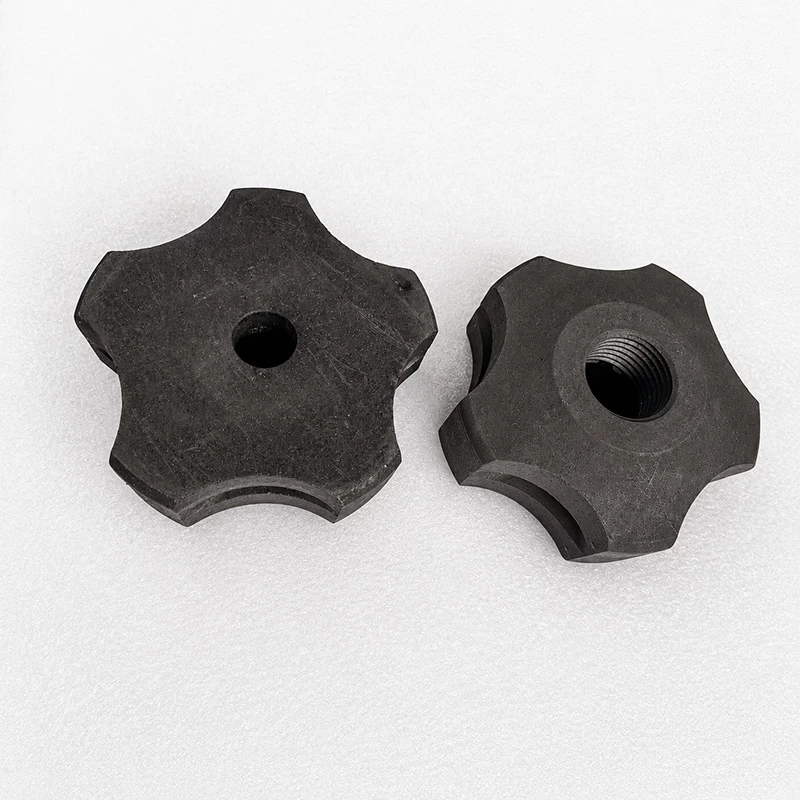
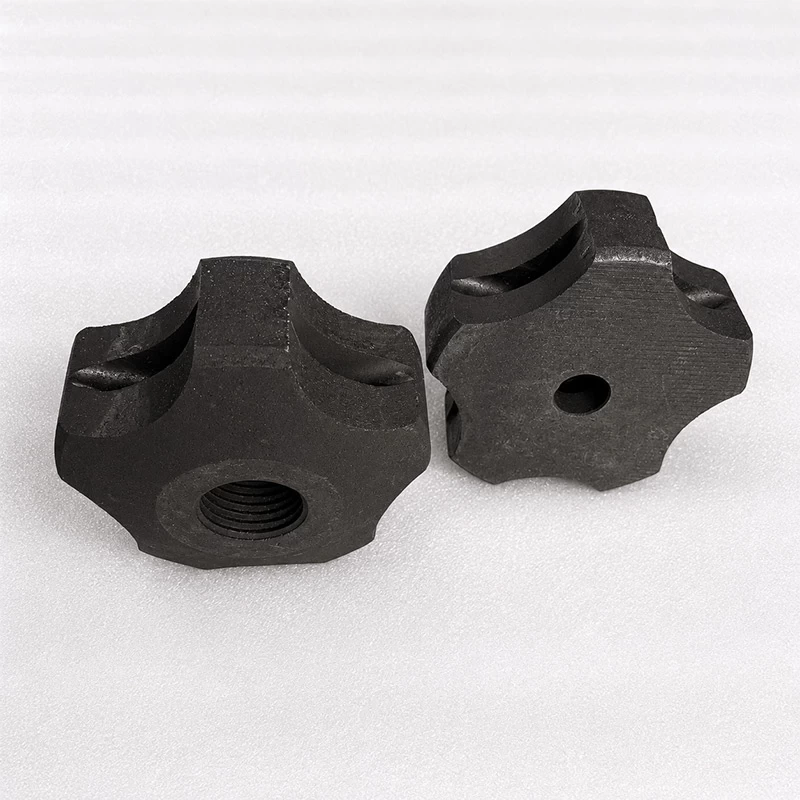
Graphite wheels are circular components crafted primarily from high-quality graphite materials. Their widespread usage spans from grinding and polishing operations in metalworking to serving as electrodes in electrical discharge machining (EDM) processes. The ¢20085 and ¢25085 denote particular graphite wheel sizes or model numbers commonly used in specialized industrial settings.
These graphite wheels are favored for several reasons:
- **High thermal resistance:** Graphite maintains structural integrity at elevated temperatures.
- **Excellent conductivity:** Essential for EDM applications.
- **Self-lubricating properties:** Reduces wear and tear during operation.
- **Lightweight yet durable:** Enhances performance without adding excessive weight.
---
## Dimensions and Specifications: What Do ¢20085 and ¢25085 Represent?
The codes ¢20085 and ¢25085 likely correspond to diameter or model specifications. For example:
- **¢20085:** Could represent a graphite wheel with a 20mm diameter and 85mm width.
- **¢25085:** Could signify a 25mm diameter with an 85mm width.
Understanding these dimensions is critical when integrating the wheels into machinery or systems, ensuring compatibility and optimal functionality.
---
## Technical Parameters: Margin, Padding, and Box-Sizing in Product Design
While these terms originate from CSS and web design, they metaphorically apply to physical product engineering, particularly when precision and fitting are paramount.
- **Margin:** In product design, margin can be thought of as the clearance space around the graphite wheel within its housing. Adequate margin prevents friction between the wheel and adjacent components, ensuring smooth operation.
- **Padding:** Similar to cushioning or buffer zones within the assembly that protect the graphite wheel from shocks or vibrations during use.
- **Box-sizing:** Refers to how the dimensions of the wheel and its casing are calculated, considering whether measurements include padding and borders. Precise box-sizing ensures that the overall size of the assembly meets strict tolerances.
Recognizing these concepts helps engineers design systems where the graphite wheels fit perfectly, avoiding mechanical failure.
---
## Material Properties: Font-Family, Color, and Background Analogies
In the context of web design, font-family, color, and background define visual aesthetics and readability. Translating this analogy to graphite wheels:
- **Font-Family:** Represents the variety of graphite grades or types available, each with unique grain structures and impurities affecting performance.
- **Color:** Though primarily dark grey or black, subtle variations in graphite wheel coloration indicate different compositions or treatments, which influence durability and conductivity.
- **Background:** The operational environment or base material against which the wheel functions, such as a metal workpiece or dielectric fluid in EDM.
Selecting the appropriate “font-family” or graphite grade based on the “background” ensures optimized performance and longevity.
---
## Sizing Constraints: Width, Max-Width, and Border-Radius
Exact sizing is central to graphite wheel utility:
- **Width:** Physical thickness of the wheel; affects contact area and stability during operation.
- **Max-width:** Maximum permissible width to fit within machine constraints without interference.
- **Border-radius:** In design, border-radius refers to rounded corners. Applied here, it can describe the edge profile of the graphite wheel. Rounded edges reduce stress concentrations and minimize chipping, extending wheel life.
Manufacturers must balance these parameters to tailor wheels for specific applications—too wide or sharp-edged wheels may cause premature wear or damage.
---
## Positioning and Overflow: Assembly and Operational Considerations
- **Position:** The exact placement of the graphite wheel within a fixture or spindle is critical. Misalignment leads to uneven wear or vibration.
- **Overflow:** In production, overflow could relate to excess debris or dust generated during grinding. Efficient management of overflow is necessary to prevent contamination or malfunction.
Designing housings with proper positional guides and containment systems ensures that graphite wheels operate smoothly and safely.
---
## Content Display: Grid, Flex, and Inline-Flex in Industrial Layouts
Drawing inspiration from CSS display properties:
- **Grid:** A structured arrangement of multiple graphite wheels or components within a system, enabling organized workflow and maintenance.
- **Flex:** Flexible mounting solutions allowing slight adjustments or movement to absorb shocks.
- **Inline-Flex:** Compact, linear assemblies where wheels are aligned in a sequence, optimizing space.
Applying these principles to physical layouts enhances operational efficiency, accessibility, and adaptability in manufacturing lines.
---
## Advanced Layouts: grid-template-columns, Gap, and Align-Items
Industrial design benefits from modularity akin to CSS grid-template-columns, which defines column structures:
- **Grid-template-columns:** Dictates how multiple wheels are arranged across different axes for tasks requiring simultaneous processing.
- **Gap:** The spacing between wheels or components, crucial to avoid interference or heat buildup.
- **Align-items:** Vertical alignment of wheels to ensure uniform contact force and balanced load distribution.
These considerations lead to improved precision and reduced downtime.
---
## Ergonomics and Readability: Line-Height and Values Like 1.15
Though line-height relates to text readability, the principle of spacing and clarity applies to operational ergonomics:
- Proper spacing between controls and components (akin to line-height value 1.15) reduces operator fatigue.
- Clear labeling and interface design around graphite wheel control panels improve safety and efficiency.
---
## Practical Applications of ¢20085 and ¢25085 Graphite Wheels
### 1. Electrical Discharge Machining (EDM)
Graphite wheels serve as electrodes for spark erosion processes. The ¢20085 and ¢25085 sizes accommodate different machining scales, from fine detail work to larger part fabrication.
### 2. Precision Grinding
Used in tool and die making, these wheels provide consistent surface finishes. Their dimension and edge profiles impact grinding accuracy and surface integrity.
### 3. Polishing and Finishing
Graphite wheels smooth metal surfaces after initial machining. Their thermal properties prevent overheating sensitive materials.
---
## Maintenance and Durability: Managing Wear and Tear
Regular inspection of graphite wheels includes checking for:
- Surface cracks or chips.
- Dimensional changes due to wear.
- Contamination from debris or lubricants.
Proper margin and padding analogues in assembly help reduce mechanical stresses, extending wheel lifespan.
---
## Conclusion
The ¢20085 and ¢25085 graphite wheels embody the intersection of material science, precision engineering, and practical industrial application. Understanding their dimensions, material properties, and operational integration—using analogies from CSS design principles such as margin, padding, box-sizing, and display—provides a comprehensive framework for optimizing performance and reliability. Whether in EDM, grinding, or polishing, these graphite wheels remain indispensable tools that drive modern manufacturing forward.
---
**Author Bio:**
[Your Name] is a materials engineer with over a decade of experience in industrial manufacturing and machining technologies. Passionate about bridging the gap between design theory and practical application, [Your Name] specializes in advanced tooling solutions and materials optimization.
---
If you have any questions or want to learn more about graphite wheels and their applications, feel free to reach out or leave a comment below.