# Exploring the Hanging Refining Degassing Unit SNJL1000: Innovations, Applications, and Industry Impact
In the rapidly evolving landscape of industrial manufacturing and materials processing, the quest for superior product quality, efficiency, and environmental sustainability has led to the development of advanced machinery and equipment. One such innovation gaining attention is the **Hanging Refining Degassing Unit SNJL1000**. This unit represents a significant advancement in refining and degassing technology, particularly in industries such as metallurgy, chemical processing, and food production, where purity and consistency are paramount.
This article delves into the technical features, operational mechanisms, key benefits, and practical applications of the SNJL1000, providing professionals and stakeholders with a comprehensive understanding of why this unit stands out in the market.
---
## Understanding the Hanging Refining Degassing Unit SNJL1000
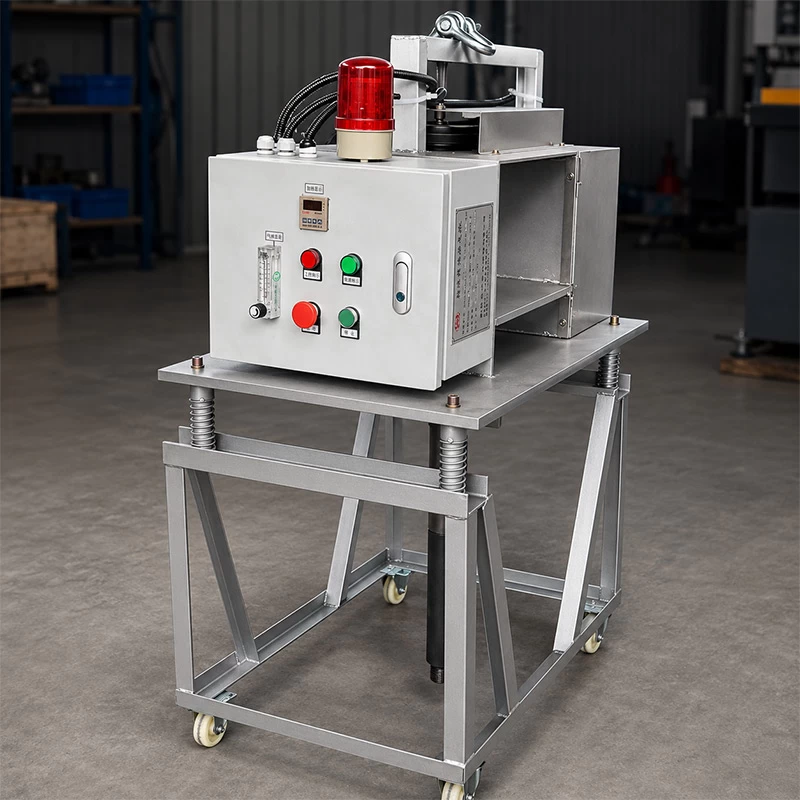
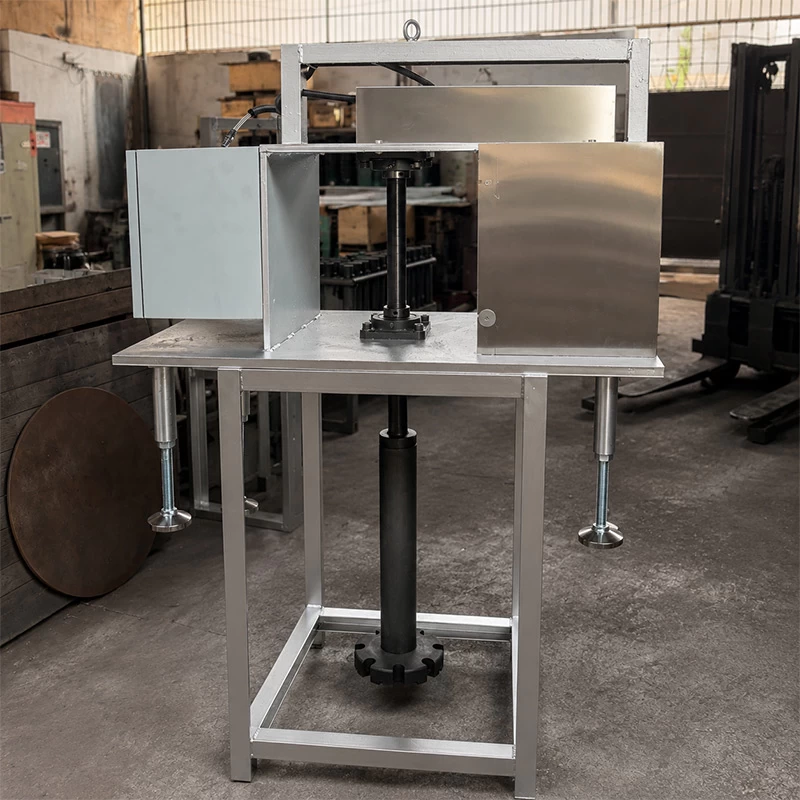
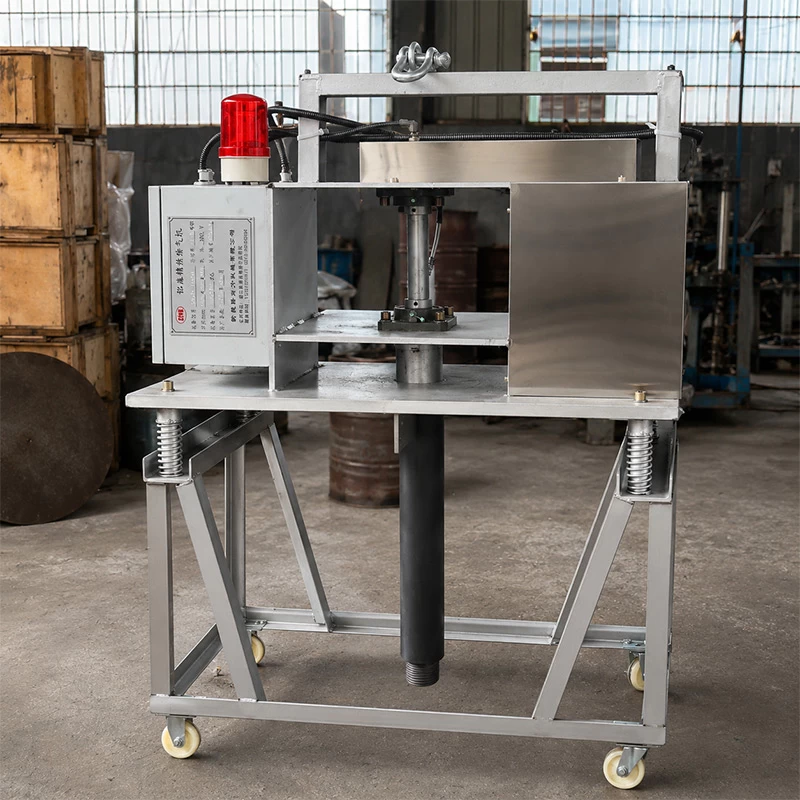
The SNJL1000 is designed as a state-of-the-art refining and degassing unit that integrates precision engineering with advanced process control. The term "hanging" in its name refers to its unique installation and operational architecture, which allows the unit to be suspended or mounted in a specific configuration to optimize space utilization and process flow.
### Core Functionalities
- **Refining:** The unit refines raw materials by removing impurities and undesired elements through thermal, mechanical, or chemical treatment.
- **Degassing:** It efficiently eliminates dissolved gases (such as hydrogen and oxygen) from molten metals or liquids, which can otherwise cause defects like porosity in cast products or instability in chemical formulations.
### Technical Specifications
The SNJL1000 boasts a robust design with a focus on durability and precision:
- **Capacity:** Tailored for medium to large-scale operations, the unit processes substantial volumes per batch or continuous flow.
- **Material Compatibility:** Suitable for various substrates, including aluminum alloys, polymers, and other industrial liquids.
- **Automation and Control:** Equipped with sensors and feedback systems that monitor temperature, pressure, and gas concentration, ensuring optimal refinement and degassing conditions.
---
## Design Highlights: From Engineering to User Interface
A key aspect of the SNJL1000’s appeal lies in its thoughtfully engineered design and user-friendly interface.
### Structural Layout and Installation
The "hanging" design is not merely aesthetic but functional:
- **Space Optimization:** By suspending the unit, manufacturers can save valuable floor space, facilitating easier integration into existing production lines.
- **Accessibility:** Maintenance and cleaning are simplified due to the elevated positioning, which also minimizes contamination risks from ground-level dust or debris.
- **Modular Construction:** Components are designed for quick assembly and disassembly, enabling scalability and custom configurations based on operational needs.
### Material and Build Quality
The unit employs high-grade alloys and corrosion-resistant coatings, ensuring longevity even under harsh operating conditions involving high temperatures and reactive substances.
### User Interface and Controls
- A well-designed control panel allows operators to adjust parameters such as vacuum levels, refining time, and degassing intensity.
- Integration with supervisory control and data acquisition (SCADA) systems provides real-time monitoring and remote management capabilities.
- Safety features include automatic shut-off in case of abnormal conditions like overpressure or overheating.
---
## Operational Principles: How the SNJL1000 Works
To appreciate the sophistication of the SNJL1000, it is important to understand the science behind refining and degassing.
### Refining Process
1. **Heating:** The raw material is heated to a specific temperature to liquefy or activate it for treatment.
2. **Impurity Removal:** Impurities such as oxides, slag, and non-metallic inclusions are separated through physical or chemical means.
3. **Stirring and Mixing:** Enhanced homogenization ensures uniform composition and consistency.
### Degassing Mechanism
- The unit applies vacuum or inert gas purging (using nitrogen or argon) to strip dissolved gases from the molten material.
- Bubble formation and rise help release trapped gases, reducing porosity and improving the mechanical properties of the final product.
The SNJL1000’s precise control over these processes results in superior product quality with fewer defects and enhanced performance characteristics.
---
## Applications Across Industries
The versatility of the SNJL1000 makes it indispensable in various sectors:
### Metallurgy and Casting
In aluminum and magnesium alloy casting, gas porosity is a common defect that compromises strength and surface finish. The SNJL1000 effectively removes hydrogen and other gases, leading to cleaner billets, ingots, and casting blanks.
### Chemical Processing
For sensitive chemical formulations, controlling gas content is crucial to prevent unwanted reactions or degradation. The SNJL1000’s refining and degassing capabilities ensure high-purity feedstocks.
### Food Industry
Degassing of edible oils and liquid food products helps improve shelf life and sensory qualities by removing dissolved oxygen and volatile compounds.
### Polymer Manufacturing
Removing gases from polymer melts prevents bubble formation, resulting in higher clarity and structural integrity in plastic films and sheets.
---
## Advantages and Industry Impact
### Enhanced Product Quality
By delivering refined and degassed output, the SNJL1000 reduces defects, enhances mechanical properties, and improves overall product consistency.
### Increased Operational Efficiency
Automation and precise control minimize manual intervention and reduce processing times, boosting throughput without compromising quality.
### Environmental and Safety Benefits
- Reduced emissions and waste due to efficient impurity removal.
- Safer operation with integrated monitoring and emergency protocols.
### Cost Savings
Lower scrap rates and rework frequency translate into significant cost reductions over time.
---
## Best Practices for Implementation and Maintenance
To maximize the benefits of the SNJL1000, users should consider the following:
- **Training:** Operators must be trained to understand the control systems and recognize signs of malfunction.
- **Regular Maintenance:** Scheduled inspections and cleaning prevent downtime and extend service life.
- **Process Optimization:** Continuous monitoring and data analysis enable fine-tuning of refining and degassing parameters for varying input materials.
- **Integration:** Seamless incorporation into existing production workflows enhances overall plant productivity.
---
## Conclusion: The Future of Refining and Degassing Technology
The Hanging Refining Degassing Unit SNJL1000 exemplifies how technological innovation can transform traditional manufacturing challenges into opportunities for excellence. Its sophisticated design, operational versatility, and robust performance make it a valuable asset for industries seeking high-quality outputs and efficient processes.
As markets demand stricter quality controls and sustainable practices, adopting advanced units like the SNJL1000 will be pivotal in maintaining competitive advantage. Manufacturers who invest in such technologies position themselves at the forefront of industrial progress, delivering superior products while optimizing resources and safeguarding the environment.
---
**Keywords Recap:** box-sizing, border-box, margin, padding, body, font-family, Arial, Helvetica, sans-serif, background, color, snjl-page, width, snjl-container, max-width, snjl-hero, display: grid, grid-template-columns, gap, align-items, linear-gradient, border-radius.
*Note: While the above keywords originate from CSS styling language related to website design, they metaphorically reflect the structured, precise, and layered approach embodied by the SNJL1000 in both form and function.*